Climate Zones in the United States and Seasonal Changes
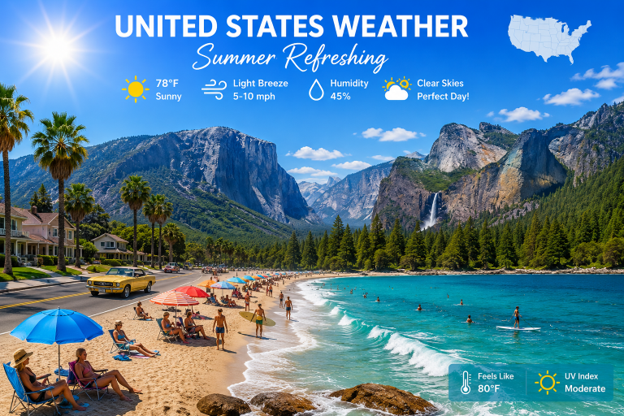
Weather plays a role in the history and character of the United States. The weather in America is really different from one place to another. For example, in Alaska it snows a lot while in Florida, its usually sunny. Millions of people check the weather forecast every day. They want to know if it will be sunny or if there will be a snowstorm. This helps them plan their day whether they are going to work, traveling or just relaxing. One reason American weather is so interesting is that there are different climate zones in the United States.
The country has mountains, deserts, plains, forests and coastlines. All these different landscapes create a variety of weather patterns. Sometimes on the day it can be raining in the Pacific Northwest snowing in the Rocky Mountains and really hot in the deserts of Arizona. Understanding the climate zones in the United States helps explain why the weather is so different from one region to another.
In this guide we will look at weather throughout history. We will also explore the climates in different regions how the seasons change, and whats happening with the weather, in the United States today.
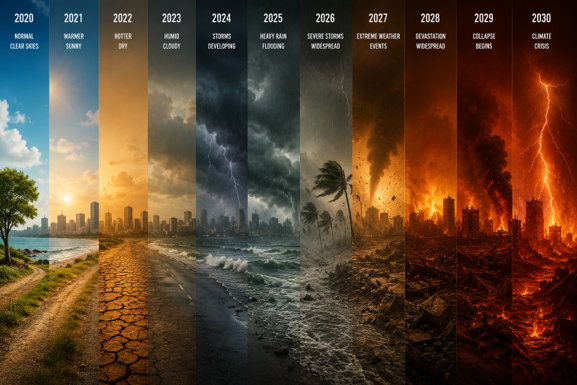
Understanding the Climate of the United States
The United States is a huge country covering an area of close to 3.8 million square miles. This makes it one of the largest nations in the world.
There are some elements that determine weather conditions throughout the USA, including:
Oceans
The Atlantic Ocean determines weather conditions along the eastern coast of the country. Similarly, the Pacific Ocean determines weather conditions along the western parts of America.
Mountain Ranges
There are some mountain ranges such as the Rocky Mountains and the Sierra Nevada that play a big role in the climate of America.
Great Plains
They provide a pathway for Arctic and tropical climates to meet and cause storms.
Deserts
There are some deserts like those of Arizona and Nevada that have high temperatures during summer and little rain.
All these geographical elements give a good explanation of why weather conditions in America
Weather Conditions in Ancient Times
Long before there was advanced equipment used in predicting weather, indigenous people predicted it by watching nature. They depended on the movements of animals and plants to know when to plant crops.
Throughout history, the US has faced severe weather conditions such as:
- The Dust Bowl during the 1930s, which resulted in extreme drought on the Great Plains.
- The Great Blizzard of 1888, which paralyzing the Northeast region.
- Hurricane Katrina in 2005, which made one of the worst hurricanes in American history.
- Several tornado outbreaks that shaped Midwestern and Southern communities.
Such weather occurrences impacted the development of infrastructure and emergency preparedness, as well as progress in science.
United States Weather Today
Today, weather prediction technology significantly advanced due to satellites, radar systems, and computers.
Current trends in weather patterns include:
- Rise in temperatures across the nation.
- Heatwaves become more frequent.
- There is an increase in precipitation.
- Wildfire season is longer in western states.
- Hurricanes are becoming stronger and affect coastlines.
The study of climate change in the USA continues among scientists as the weather pattern changes.
Weather by Region and State
Northeast States
New York
In New York, there are four clearly distinguished seasons, with snowy winters and hot summers.
Pennsylvania
Moderate precipitation occurs all year in Pennsylvania, with cold winters.
Massachusetts
The influence of the ocean helps maintain relatively mild temperatures but still winter snowstorms happen.
New Jersey
In New Jersey, the hot summer and the cool winter season prevail.
Connecticut
Connecticut enjoys a moderate climate with beautiful autumns and heavy snowfalls during winter.
Snowy image
Southeastern States
Florida
Florida boasts an all-year warm climate. Thunderstorms and hurricanes occur during summer months.
Georgia
Georgia enjoys hot summers, mild winters, and abundant rainfall.
Alabama
High humidity prevails throughout most parts of Alabama due to abundant plant growth.
South Carolina
Because of its location close to the coast, South Carolina enjoys warm weather and tropical storms.
North Carolina
Climate differs depending on the area – from the Appalachian Mountains through the Atlantic Coast.
Midwestern States
Illinois
Illinois enjoys cold winter weather and hot summers along with occasional storms.
Ohio
Ohio enjoys rain throughout the year and four different seasons.
Michigan
Michigan’s climate is largely influenced by the presence of the Great Lakes. Lake effect snow occurs often.
Indiana
Indiana enjoys varying climatic conditions including periodic tornadoes.
Wisconsin
Wisconsin enjoys cold winters and pleasantly warm summers.
Southern States
Texas
Texas has several climates that go from the arid climate to the humid one.
Louisiana
The climate in Louisiana is humid and it rains often.
Oklahoma
This area belongs to the tornado zone with sudden changes in weather.
Arkansas
Arkansas has a lot of rain and fairly warm winters.
Mississippi
Warm temperatures along with humid weather make Mississippi what it is.
Western States
California
Different climates like Mediterranean, arid and alpine can be found in California.
Nevada
This is among one of the driest places in America.
Arizona
Very hot summers with rather cool winter.
Utah
Desert valleys and mountain ranges with snow create the climate.
Colorado
High altitude creates relatively colder weather and lots of snow.
Pacific Northwest
Washington
A lot of rain along the coasts with snowy mountains in other parts.
Oregon
Oregon has humid areas near coasts as well as dry weather inland.
Idaho
Cold winter and relatively dry and hot summer make up Idaho’s climate.
Alaska and Hawaii
Alaska
Among coldest climates in North America with harsh winters in many regions.
Hawaii
Tropical all year round with stable temperatures.
The Four Seasons Across America
Spring
Spring brings blooming flowers, warming temperatures, and increased rainfall. Tornado activity often peaks during this season.
Summer
Summer delivers hot temperatures across much of the country. Coastal areas attract millions of vacationers seeking sunshine.
Summer weather image
Autumn (Fall)
Autumn transforms forests into vibrant displays of red, orange, and yellow. Temperatures become cooler and more comfortable.
Winter
Winter varies dramatically. Northern states experience heavy snow, while southern regions often remain mild.
Most Extreme Weather Locations in the USA
Hottest Places
Death Valley, California, is recognized as one of the hottest places on Earth.
Coldest Places
Interior Alaska records some of the coldest temperatures in the United States.
Wettest Regions
Parts of Hawaii and the Pacific Northwest receive exceptionally high rainfall totals.
Snowiest States
New York, Colorado, and Alaska often receive significant annual snowfall.
Tornado Alley
States including Oklahoma, Kansas, and Nebraska experience frequent tornado activity.
Hurricane-Prone Areas
Florida, Louisiana, Texas, and the Carolinas regularly face hurricane threats.
How Climate Change Is Changing Weather Patterns in the USA
There are several ways that climate change is shaping weather patterns in the USA:
Heat Waves
There are increasingly long periods of extreme heat in many cities.
Floodings
Heavy precipitation will increase the chances of flooding.
Forest Fires
There are increasingly severe fire seasons in Western states.
Droughts
There are increasing numbers of droughts.
Tropical Storms
Increasingly high temperatures in the oceans lead to strong tropical storms.
Predictions for the Future
Warming trends will persist into the next decades.
Weather events imAGE
The Best Time to Travel to the Various US States
Northeast
Autumn is when you should come to see the beautiful foliage.
Southeast
Winter and Spring are warm and without disturbances.
Midwest
Late Spring and Autumn provide nice travel conditions.
South
Spring and autumn make up the optimal time with mild weather.
West Coast
Spring and autumn provide favorable weather; California is a nice place all year round.
Alaska
Summer is the best season for traveling because you have great weather.
Hawaii
The climate is subtropical; there is no bad time of year to visit Hawaii.
Frequently Asked Questions
- What type of weather do you have in the United States?
There are many types of weather in the United States because it is quite a big country.
- What state has the best weather?
The best weather is said to be in California because it is not too hot.
- What is Tornado Alley?
This is an area in the United States where there are a lot of tornadoes.
- What state gets the most snow in the United States?
Alaska and some areas in New York get the most snow.
- How is climate change impacting the U.S. weather?
Climate change leads to global warming and more storms.
Conclusion
The history of the United States Weather is ultimately the history of a country formed by nature. The freezing wilderness of Alaska and the tropical coastlines of Hawaii are all impacted by the weather in their own way. It affects everything from how people live their lives to how businesses operate as well as the type of agriculture practiced.
Climate change has been causing weather changes across America, making regional climates extremely relevant. Whether one is moving, traveling or just learning more about the weather in America, knowing about the diverse American climates is very important